
Author’s Note
Caring for your aging parents is emotional and challenging.
I faced my fears with cancer, but it was nothing compared to the fear my mother had to face alone, without my father.
My mom was 78 when my father passed away. She went on to live a personal journey, emerging with a fresh start and liberating freedom.
My mom was the inspiration behind the next story. When my dad passed away, I thought the hardest part would be my own grief. But what I didn’t expect was how deeply I would feel my mom’s loss, now that I am approaching her age when my father passed away — and how much I would learn by remembering her quiet strength.
“Quiet Hero” is about a journey of post-loss, a second life. It is a fictional story that captures the emotional weight of deep loneliness and emptiness, and echoes the “aha moment” of independence.
“Quiet Hero” is a tribute to my mom's quiet courage.
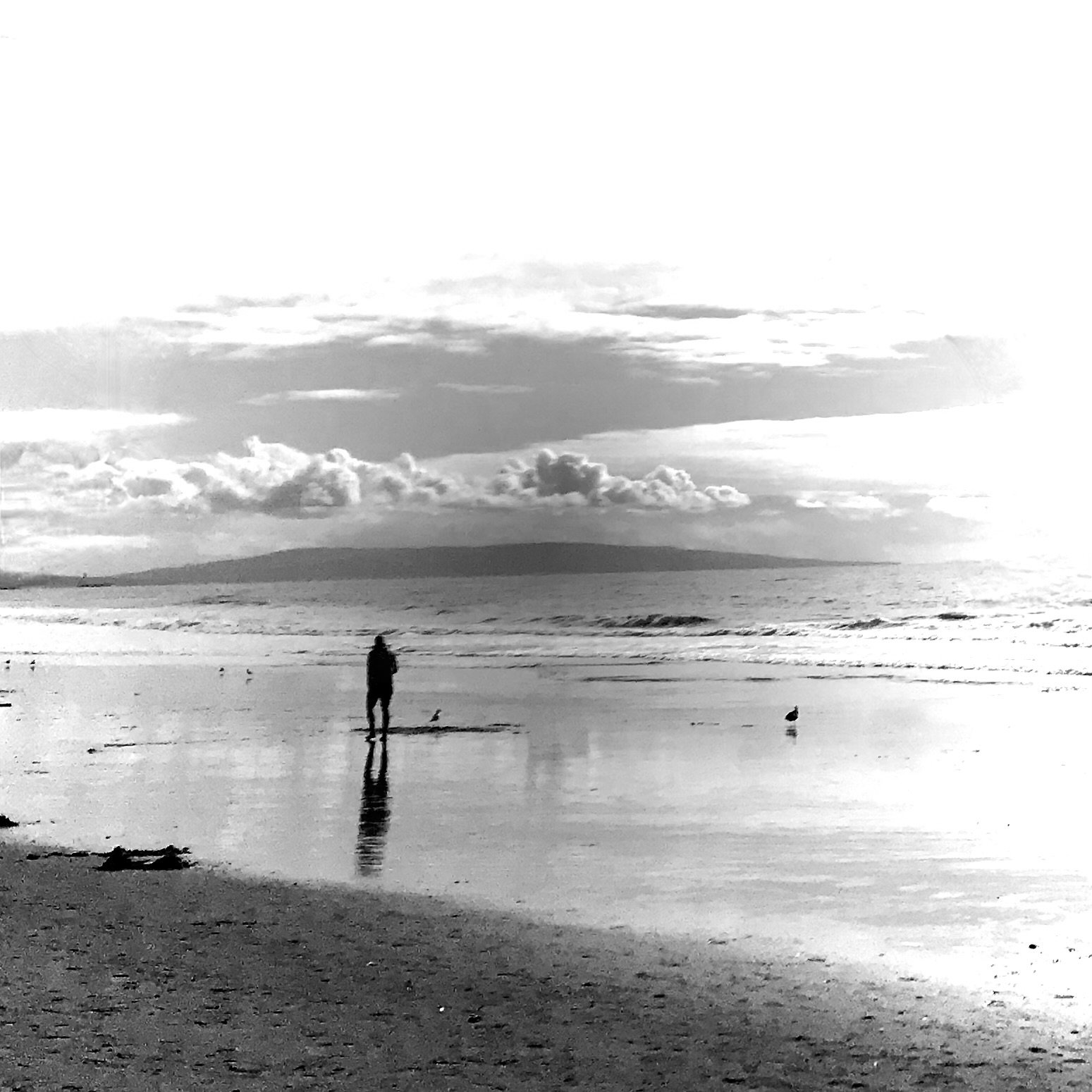
©2025 Myrna Urmanita. All Rights Reserved.
Quiet Hero
Belinda moved about her kitchen listlessly. She prepared the morning coffee with a monotonous routine. Every morning, she moved on autopilot, like the coffee machine clicking on without thought. She was stressed to the hilt caring for her aging mother.
“I don’t know what to do with Mom. She’s struggling with the idea that she is all alone,” Belinda confided tearfully to her best friend and confidante, Chula, her little chihuahua. Chula cuddled against her and nudged, as if to say she was heard.
The hardest part of losing her dad wasn’t Belinda’s own grief — it was watching her mother try to navigate life without him.
Belinda remembered vividly the anxiety that overcame her — not so much from her father’s painful struggle with cancer, but from seeing fear slowly take over her mother.
Those words echoed in Belinda’s ears. Every time she saw her mother, she was greeted with the same refrain of sorrow.
“What am I going to do? I can’t do this by myself. Why did he have to go?” her mother cried, trembling.
Day after day, it grew in her voice, in her eyes, in the way she moved through her world — uncertain and alone. She was quietly unraveling as she contemplated life without the man who had stood beside her for over sixty years.
It was hard to watch her talk with well-meaning family and friends who tried to comfort her.
“Give it time, you’ll be fine. It’ll get better, you’ll see.”
Belinda was guilty of saying those same words. Yet deep down, she knew better. Her own relationship had crumbled after only six months, and she still remembered the emptiness, the weight, the black cloud of loneliness that lingered. If it was that hard for her to recover, how much more devastating must it be to lose someone you’d spent a lifetime with?
Through that lens, she felt her mother’s heartbreak even more deeply. Belinda’s relationship may have ended in sorrow, but he had simply walked away — still alive, still existing somewhere in the world.
Her mother, though, had suffered an irreversible loss — a spiritual departure. There would be no phone call, no chance meeting, no second chance. Her grief was deeper, sharper. It belonged to another realm. Her heartbreak tormented her. The fear of facing life alone was real and raw.
There were no reassurances. “You’ll see him again soon.”
Death is final. And Belinda’s mother knew all too well — this was the end of the road. The life she had built with the man she loved for sixty years — the rhythm of their days — was over. She was left to begin again, and she was afraid.
Belinda comforted her mother again and again, but words fell on deaf ears.
“Go ahead, Mom — cry your tears. It’s okay.”
Belinda’s thoughts made a promise to her mother: Let your sorrow flow over you, Mom. A new version of you is waiting to emerge. You will step into a new journey, in a new house, in a new town, creating a new life. I promise you your family will be nearby and be there for you. But the world will never be the same without Dad, and I know it’s not going to be easy to start again alone.
“Please, Mom, I know you can do this,” she said, clasping her fingers tightly around her mother’s disfigured, arthritic hands.
“We’ll do this together,” she whispered, kissing her mother’s forehead as if sealing a promise.
Belinda often wondered if she could have the same resilience, perseverance, and strength her mother had. After six decades together, it’s not just about losing a partner — it’s about losing a piece of yourself.
Grief is more than sorrow; it’s the struggle to be whole again, to learn to live as an individual. It’s about rebuilding your identity when so much of it was shared.
“Am I as courageous as Mom?” Belinda asked herself, reflecting on her own broken relationship.
Belinda kept her promise. She and her siblings were there for their mother until she passed away. Their mother went on to enjoy her newfound independence for over fifteen years after their father’s passing — on her own, in a new home and a new town, just as Belinda promised.
She realized just how strong her mother truly was. Sixty years with one person — that kind of bond runs deep.
She’ll never forget the pride in her mother’s voice:
“I’m strong. I knew I could live my life by myself after your dad died. I found this house, moved in, and now I’m living in it. My friends couldn’t do it, but I did.”
Her mother had proved her strength not only to family and friends, but to herself. She revealed an inner warrior — quiet but unshakable.
There is no doubt in Belinda’s mind that when her mother crossed over, her father was there to greet her with open arms and a whisper:
“Welcome home, my quiet hero.”
—
Some things that take courage are unseen. Others reveal themselves in time.