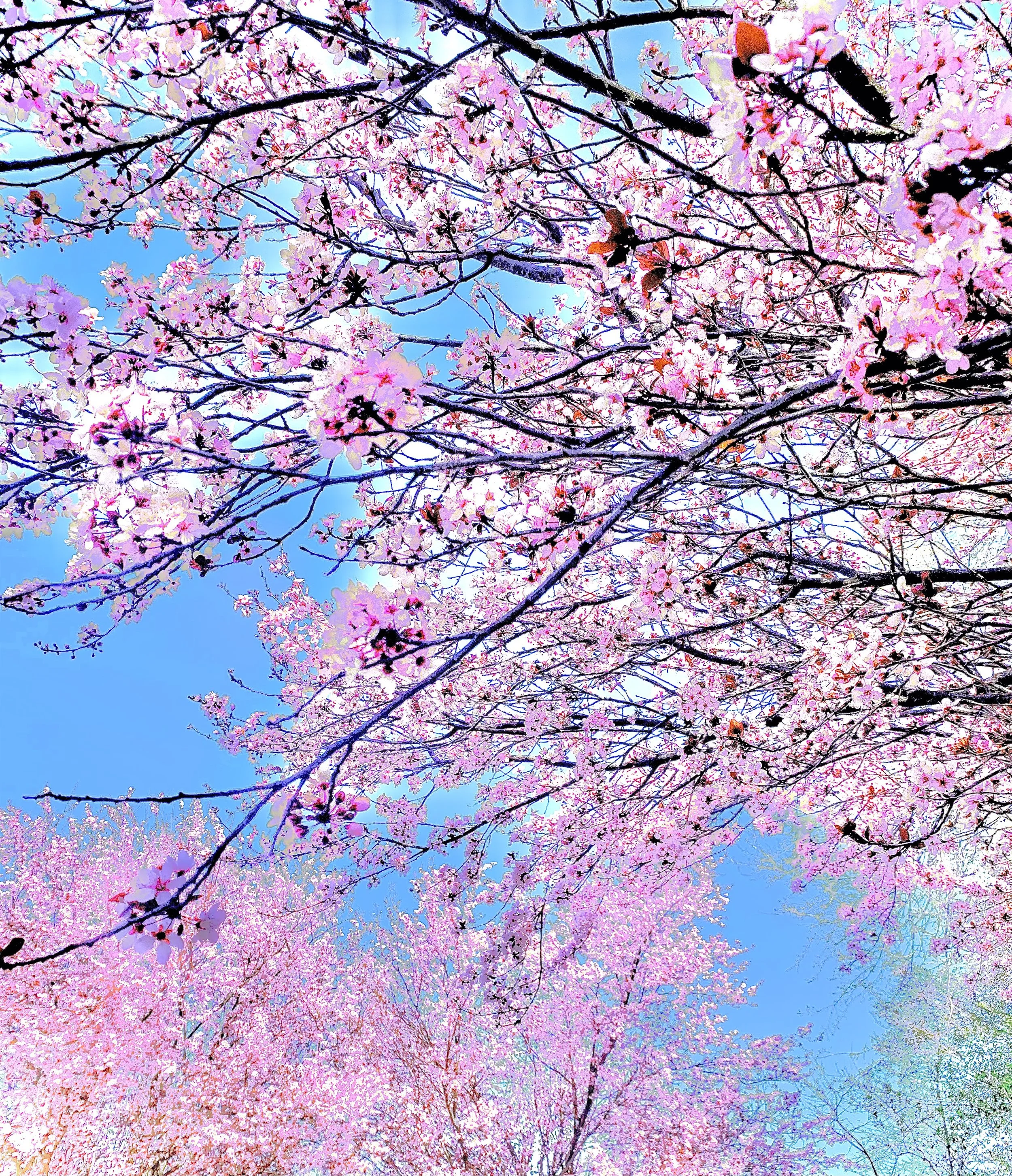
Author’s Note
This story was inspired by my father’s final journey home. Though written as fiction, the emotions are real—love, longing, and the quiet ache of letting go. I wanted to capture more than grief. I wanted to show how memory can turn loss into light, and how even our goodbyes can carry tenderness and peace. Writing this story helped me revisit that moment not with sorrow, but with gratitude—for a father’s love that remains, even when the garden is still.
When I finished writing “Welcome Home,” I felt emptied—like the oil in my lamp had burned down to its last drop. I realized that every word had carried a piece of my heart, every memory a quiet tear. Writing can do that—it can both drain and heal.
I’ve learned that sometimes the truest stories come not from having the perfect words, but from allowing the silence afterward to speak. In that stillness, I felt something gentle: peace.
And maybe that’s where my father truly lives—not in the ache of loss, but in the light that remains when the story is done.
©2025 Myrna Urmanita. All Rights Reserved.
Welcome Home
A neighbor across the street waved. Kayla’s mother waved back as she sat sniffling in the rear seat. Kayla drove slowly, turning to follow the shiny black car in front of her onto the freeway.
“Are you okay, Mom?” Kayla’s sister asked, wiping the tears from her eyes.
Their mom nodded quietly.
The hum of the freeway pulled Kayla into her thoughts. Only a month earlier, her parents had been busy preparing for a trip to visit her aunt and her family out of town. Her mother was scurrying around the house, packing while her dad tended to his garden, preparing for his short absence. They would be gone only a few days, but his garden—his vegetables, fruit trees, flowers, and plants—was his baby.
“Don’t forget to lock the patio door,” Kayla’s mother shouted from the kitchen.
“I’m doing it now,” her father replied, irritated because he didn’t need reminding.
Kayla picked them up the following morning for the long drive. She drove her father’s car, leaving her car in their garage. It was about a four-hour journey from their home to her aunt’s place.
As she drove, Kayla tuned into the radio. Listening, she quietly prayed that her father’s doctor appointment would finally bring some light to his health issues.
“I can do all things through Christ who strengthens me—this is for Dad, God,” her lips silently prayed, digging deep into her faith.
Kayla’s father had been unwell for months—losing weight, suffering from headaches, struggling to eat. Every doctor he visited couldn’t provide a clear explanation or a diagnosis. Frustrated with the system, her aunt made an appointment with her own private physician.
The diagnosis: cancer. The prognosis is terminal, one to three months.
From the moment her father arrived at her aunt’s house, all he wished for was to return home. But that was not to be. Kayla’s father passed away exactly one month after his diagnosis, surrounded by family at her aunt’s home. He would never return to his beloved garden.
Kayla could still hear his voice as if it were yesterday—calling out from the patio, fussing over his plants.
“Don’t forget to water my orchids too,” her mother shouted.
“I know, I know. I’m watering everything,” he called back.
“I’m going to be gone for a short time, visiting my sister and her family,” he gently explained to his fruit trees, his vegetables, and all the plants in his garden.
“So, drink up, and I’ll be home soon,” he said softly.
After the funeral, Kayla followed the hearse that took her father back home to be buried at the cemetery near their house. She drove his car with her sister and mother accompanying her on the four-hour drive.
Kayla’s mother had asked the driver of the hearse to drive by their home first, so her husband could go home one last time. Her parents had been gone for over a month, and the house and garden sat empty and unattended.
“Oh, Dad’s car smells brand new,” Kayla blurted out in awe. He hardly drove it—only to church every Sunday.
She was getting the car ready for the long trip when she noticed the cassette tapes on the seat. She smiled, slid one into the player, and as the music filled the car, she was instantly transported to another time—when her father sat beside her, white-knuckled, teaching her to drive.
“I’m sorry, Dad, I’m trying. Stop yelling at me!” Kayla cried, nervously turning the wheel.
What bittersweet memories, she thought. Her father constantly berated her during every driving lesson. He had zero patience and a fierce temper.
Of course, she failed the driving test! It was inevitable. She was so nervous—all she could think about was failing and her father yelling at her for doing so.
Kayla laughed as she sat listening to the cassette tape, remembering how she failed the test because she didn’t know how to do a turnabout. Her perfect father—her driving teacher—forgot to teach her how to complete one! It became their family joke, her excuse to blame him for her failure at the DMV.
Still, beneath all those memories of his short temper was love—the kind that showed up as pancakes in the morning and her freshly washed and well-tuned car in the driveway.
“I’m not going to see Dad again,” Kayla whispered to herself. His anger, his smile, his laughter—all gone. She would never again eat his breakfasts, his special recipes, or his freshly baked rolls.
“Hi, Kayla, where are the kids?” her father asked, peering behind her as she unloaded the luggage from her car.
“They’re there, Dad. They’re in your garden running around,” she replied, breathing a sigh of relief as she set the bags down.
“I made pancakes and bacon,” her father happily announced, handing each kid a slice of bacon.
“Don’t touch the fruits on the trees, and don’t trample my vegetables,” he gently reminded them.
“Okay, Grandpa. Can we have more bacon, please?” they sheepishly asked.
Whenever Kayla visited, her father was always waiting and ready to greet her and the kids, smiling, hugging, and cooking. He would wash her car in the driveway, check the oil, air up the tires, and replace the windshield wipers.
The laughter faded as rain began to tap on the windshield.
“It’s starting to rain. Turn on the windshield wipers, Kayla. I can barely see,” coaxed her sister.
Kayla turned on the wipers. Her eyes filled with tears, and she quickly wiped them away with her fingers, trying not to let her sister or mother notice. Following the hearse in this rain was agonizing. The traffic slowed to a crawl; horns blared, drivers yelled, and music pierced through the rain-drenched windows.
Kayla turned up the music to drown out the chaos, and a song began playing—one that reminded her of her dad dancing. He loved to dance.
She smiled as she pictured her parents at the club, moving in perfect rhythm. She chuckled, remembering one evening when her father grabbed her hand to dance. As she tried to pull free, her mother grabbed his other hand and joined in. That was a complete surprise because her mother never danced—at least, the kids never saw her dance before. But there she was, dancing up a storm with her father, both of them laughing with friends, having the time of their lives.
“What’s so funny?” her sister asked.
“Dad and Mom dancing,” Kayla explained with a soft laugh.
“Huh?” her sister replied, confused.
“I can dance,” Kayla’s mom chimed in, smiling smugly. The sisters broke into laughter, grateful to hear their mother’s voice light again.
The traffic began to move, and Kayla glanced at her sister. Relief washed over them as the cars picked up speed, giving them some distance from the hearse.
“Are we almost there, dear?” her mother asked softly, resting a hand on her shoulder.
“Almost there, Mom. I’m turning onto the exit soon,” Kayla replied, signaling to pass the hearse and guide the way to the house.
As the road opened up, the scenery changed. Everything was greener, with trees and shrubs lining the coastline. The rain finally stopped. Kayla rolled down the window and breathed in the ocean air. It was clean and fresh, the sky bright and blue. It reminded her of being at home, standing in her father’s garden.
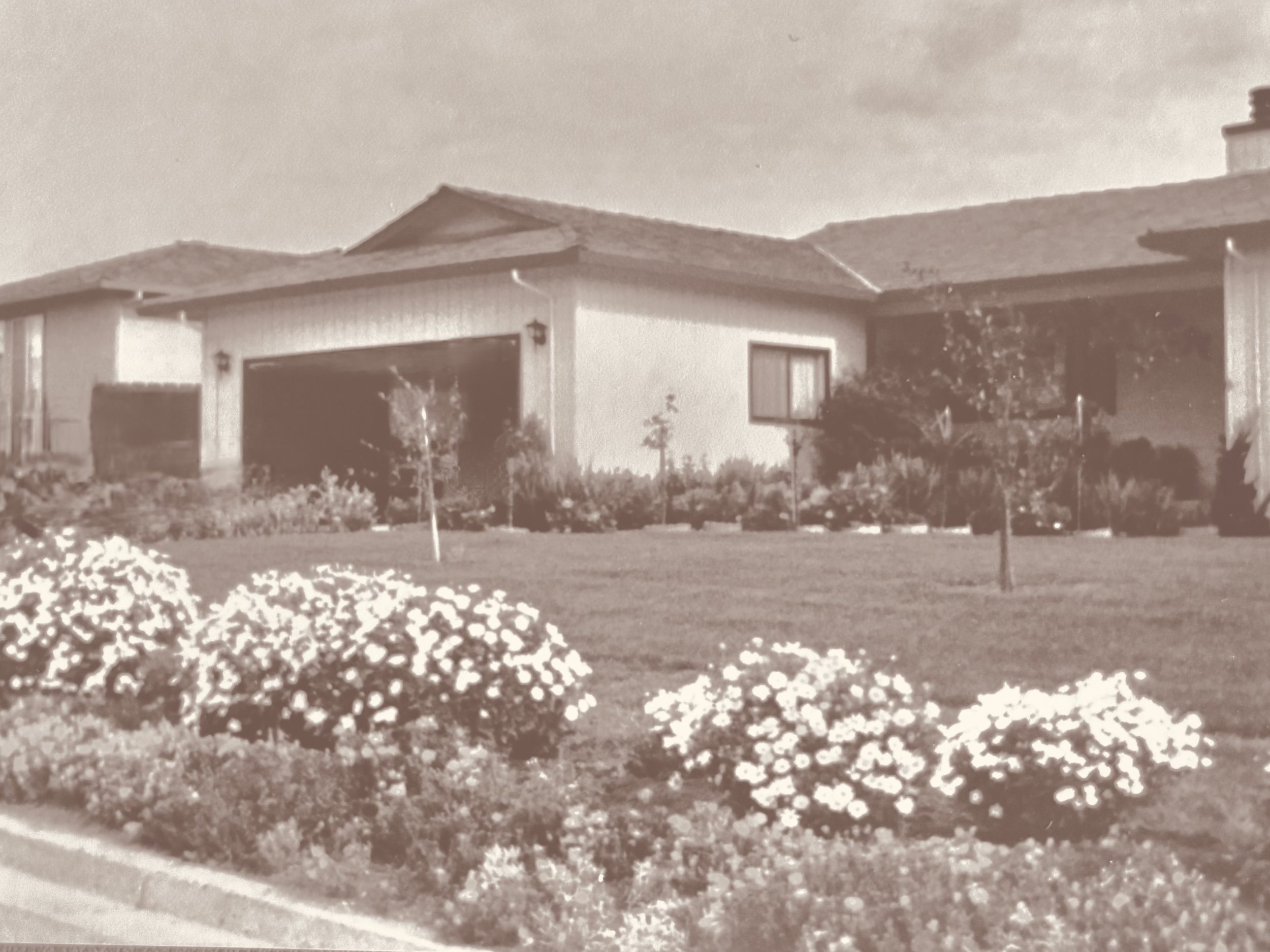
Dad cherished their house, especially his garden. It was his sanctuary—his pride and joy. Every plant he nurtured seemed to hold a bit of his spirit: patient, steady, and full of care. The garden was his way of saying I’m here, I love you, even when words failed him.
Kayla’s eyes filled again. Thoughts of her father never again harvesting his fruits or tending his plants—tinkering in his shed, building stuff in his garage, putting up the outdoor Christmas lights, washing his car—made her heart ache. He would never enjoy another holiday or birthday, cook another breakfast, or play with his grandchildren. His friends and neighbors would no longer share in the bountiful gifts of his garden.
As they entered her parents’ neighborhood, the energy in the car shifted. Kayla’s mother began to cry, and soon her sister joined her, sniffling as they turned onto their street. The hearse pulled up in front of the house and stopped.
Kayla parked behind it, her tears blurring her view. Her sister, quietly sobbing, also peered through her window. Kayla’s mom made the sign of the cross and waved goodbye. She bowed her head, wept softly, and pressed her face into her tissue.
“Dad, you’re home,” Kayla muttered, her voice trembling.
She sat quietly behind the wheel, hands resting in her lap. Through the blur of tears, she saw him—walking up the path, making his way through her mom’s maze of potted hydrangeas. He paused, turned his head, and with that familiar smile, he waved. Then, as softly as the wind, he disappeared into the house.
“Welcome home, Dad,” Kayla whispered.
—
Some things only reveal themselves when we pause—and look back.